

Country Guides
Honduras

Start here
Overview
Explore sections
Guide Details
Household Goods
Documents
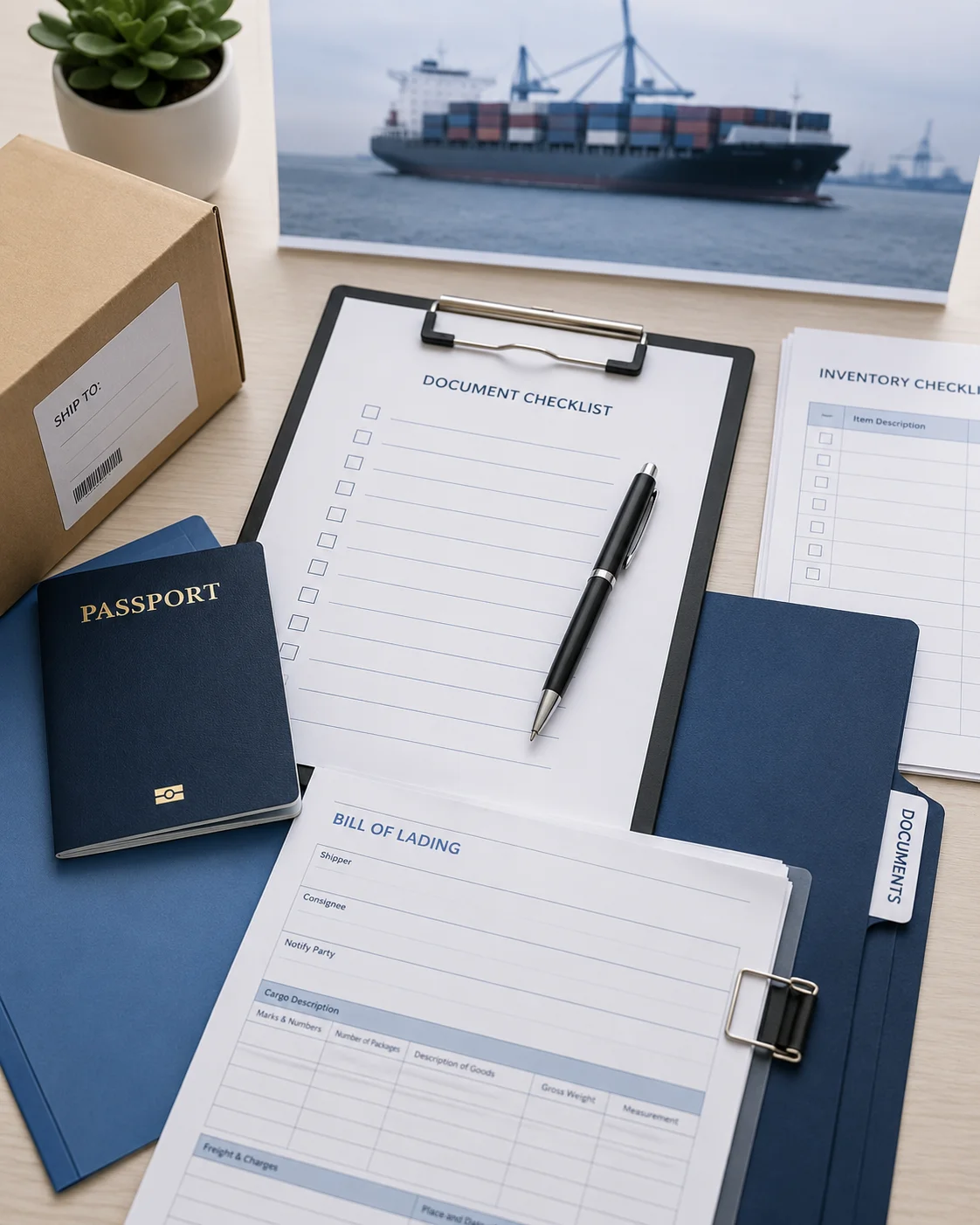
Documents required for importing used household goods, personal effects, and related shipments.
- Copy of passport
- Original bill of lading (OBL) or air waybill (AWB)
- Packing list in Spanish, typed
- Detailed valued inventory (depreciated values, not insurance or replacement values; for customs purposes only)
- Franchise or dispensa (for duty-free entry; see Specific Information)
- Registro Tributario Nacional (RTN -- national tax registration number)
- Owner's local contact details (name, local contact person, delivery address, telephone number)
- Proof of ownership for antiques, artifacts, etc., if applicable
- Certificate of antiquity, if applicable
Specific Information
RTN (tax ID): The Registro Tributario Nacional may be obtained at the SAR (formerly DEI) office after entry into Honduras. Processing takes approximately 24 hours.
Packing list requirements: Packing lists must be specific and in Spanish. Generic descriptions such as "kitchen items" or "office items" are not accepted. Each item must be named individually because Honduran customs requires item-level data entry into the customs system.
Valued inventory: The inventory valuation is for customs purposes only and should use depreciated values, not high insurance or replacement values.
Antiques and artwork: Permitted for import if part of the household goods shipment, in reasonable quantities, and declared. Ownership documents are required. Works of art and antiques more than 100 years old are subject to 22% tax.
ISPM 15: Wood packaging materials (crates, pallets, dunnage) should comply with ISPM 15 standards.
CAFTA-DR: Honduras is a member of the Central America-Dominican Republic Free Trade Agreement (CAFTA-DR). Goods originating from CAFTA-DR member countries may qualify for preferential tariff treatment, though this primarily applies to commercial goods.
Duties & Taxes
Franchise/dispensa system: Honduras uses a franchise (dispensa) system for duty-free importation of household goods. The franchise must be obtained before the shipment arrives. Processing times vary:
- Diplomats and international organization officials must request the franchise through a local organization from the Ministry of Foreign Affairs prior to shipment arrival. This process takes approximately 1 month.
- Returning Honduran citizens and retirees may obtain the franchise through a lawyer prior to arrival of the shipment (approximately 1 month processing). Special franchises are available to returning citizens who have been abroad for at least 12 months and to foreigners applying for retiree residence in Honduras. The retiree franchise process takes approximately 4 to 6 months. Proof of retiree status is required from the government of the origin country, demonstrating that the transferee will have income exceeding USD 1,500 per month.
- Non-exempt shipments are subject to customs duties and taxes.
VAT: A general 15% Value Added Tax (ISV -- Impuesto Sobre Ventas) is applied to most imported goods.
Prohibited & Restricted Items
Prohibited Items
- Food items (only canned food may be imported in small quantities, subject to duties and taxes)
- Illegal drugs, narcotics, medicines, and controlled drugs
- Weapons and ammunition (without permit) PERMIT REQUIRED
- Plants and plant products
- Milk and milk products
- Pornographic material
- Knives and deadly weapons
- Counterfeit money and goods
Restricted / Dutiable Items
Duty-free personal allowances (per VisaHQ):
- 200 cigarettes, or 100 cigars, or 450 grams of tobacco
- 2 bottles of alcoholic beverages
- A reasonable quantity of perfume for personal use
Alcoholic beverages in shipments: The import of alcoholic beverages within household goods shipments is strongly discouraged. If imported, duties and taxes must be paid, and the clearance process will be delayed. The detailed inventory must specify: number of bottles, quantity in litres, value, and type of beverage (beer, spirits, or wine). Diplomats may import alcoholic beverages duty-free, but a separate franchise must be requested for alcohol, distinct from the household goods franchise.
Other restricted/dutiable items:
- Works of art and antiques more than 100 years old (subject to 22% taxes)
- Weapons, explosives, and ammunition (special permit required; VisaHQ notes the permit is issued by Roatan airport for that port of entry)
- Cats, dogs, and other animals (veterinary health certificate and SENASA import permit required)
Importing a Used Personal Vehicle
Required Documents
- Copy of passport
- Original vehicle title
- Original bill of lading (OBL)
- Original commercial invoice
- Franchise or dispensa (for duty-free entry)
- RTN (Registro Tributario Nacional)
- Form 9-A (for temporary entry, if applicable)
Specific Information
Vehicle age restriction: Automobiles older than 10 years cannot be imported into Honduras.
Duties and taxes: All vehicle shipments are subject to duties and taxes unless a diplomatic franchise (duty/tax exemption) has been obtained.
OBL requirements: The bill of lading must include full vehicle details: VIN number, engine number, series, color, make, model, year, fuel type, vehicle type (pickup, van, sedan, etc.), engine displacement (cc), number of doors, weight, and volume. Fines will be assessed for incomplete information.
Customs clearance timeline: Approximately 7 to 10 business days for a full container load (FCL), 5 to 7 business days for less than container load (LCL), and 2 to 3 business days for unaccompanied air baggage (UAB).
Form 9-A (temporary entry): A temporary entry permit allowing a vehicle into Honduras for 90 days without payment of taxes. The owner must be present at customs with their passport, which will be stamped by customs authorities. Before the 90-day period expires, the owner must either request an extension at the SAR office, coordinate the exportation of the vehicle, or proceed to pay full duties and taxes. Extensions are not guaranteed. This option is primarily used by diplomats, tourists, and foreigners.
Pets
- Vaccination record (rabies and other standard vaccinations)
- Original veterinary health certificate issued within 10 days of travel
- Phytosanitary/import permit from SENASA (Servicio Nacional de Sanidad Agropecuaria)
Import permit: Honduras requires an import permit from SENASA. An agent or representative in Honduras should apply for this permit in advance of travel. If the permit cannot be obtained before arrival for reasons beyond the owner's control that can be substantiated, it may be handled upon entry, but the importer will need to obtain a certificate from a Honduran veterinarian who will be responsible for the pet while in Honduras.
Microchip: Not required but recommended. An ISO 11784/11785 compliant 15-digit microchip is the most accepted form of identification. If microchipped, all documents should reference the microchip number.
Rabies vaccination: All dogs and cats over 3 months of age must be vaccinated against rabies between 21 days and 12 months prior to entering Honduras. Multi-year rabies vaccinations are not recognized unless administered within 12 months of import. Rabies titer test results and veterinary exemption letters are not accepted as substitutes.
Rabies titer test: Not required to enter Honduras from any country. However, Honduras is classified as a high-rabies-risk country by the World Organisation for Animal Health (WOAH), so a titer test may be required for the pet to return to the country of origin.
CDC high-rabies-risk country: Honduras is on the U.S. CDC list of high-risk countries for dog rabies. Dogs entering the United States from Honduras are subject to enhanced CDC import requirements, including a CDC Dog Import Permit, valid rabies vaccination, and microchip. Owners planning to eventually return a dog to the U.S. should plan for these re-entry requirements before departure.
Other vaccinations: Dogs should be vaccinated against distemper, hepatitis (adenovirus), parvovirus, and leptospirosis. Cats should be vaccinated against feline viral rhinotracheitis, calicivirus, panleukopenia, and leukemia.
Parasite treatments: Required (per PetTravel). Should be administered shortly before import with products approved in the country of origin. Treatments can be recorded on the health certificate.
Health certificate: Must be issued by a licensed veterinarian within 10 days of travel (per PetTravel). The governmental authority in the country of origin responsible for import/export of animals should endorse the certificate. No consulate endorsement is required.
Quarantine: No quarantine if all import regulations are met. Non-compliant pets may be quarantined (if facilities are available), returned to the origination country, or euthanized at the importer's expense.
No banned breeds: Honduras does not publish a list of banned dog breeds.
Entry by air: Pets should enter via Ramón Villeda Morales International Airport (San Pedro Sula) or Toncontín International Airport (Tegucigalpa) during normal business hours. The owner should be present at customs clearance. Veterinary officials should be informed in advance.
Arrival timing: Pets should arrive at the beginning of the week to avoid weekend stays in the customs office.
CITES: Species covered by CITES require additional permits.
Special Categories
Common Mistakes
- Failing to obtain the SENASA import permit before arrival
- Arriving with a pet on a Friday or weekend, causing extended customs office stays
- Not having item-specific documentation (generic vaccination descriptions may cause issues)
- Not planning for enhanced CDC re-entry requirements when returning a dog to the U.S.
Discrepancies
- Health certificate validity: The IAM guide (2016) mentions a health certificate is required but does not specify a time window. PetTravel (2026) specifies within 10 days of travel. PetTravel is the more recent and detailed source.
- Phytosanitary permit vs. import permit: The IAM guide lists a "phytosanitary permit" for pets. PetTravel and VisaHQ both refer to an "import permit from SENASA." These likely refer to the same document. The SENASA permit is the more precise term.
- Alcoholic beverage restrictions: The IAM guide says import of alcohol in household goods is "strongly discouraged" and will cause delays. VisaHQ lists a duty-free allowance of 2 bottles of alcohol for personal import. These are not contradictory; the VisaHQ allowance is for personal entry, while the IAM guide refers to alcohol included in household goods shipments, which is a different process.
Unverified Items
- The 10-year vehicle age limit (from the 2016 IAM guide) could not be independently verified against a current Honduran government source because the relevant websites are unreachable. This restriction is consistent with Central American vehicle age limits generally but should be confirmed with the destination agent.
- The USD 1,500/month income requirement for retiree franchises (from the 2016 IAM guide) could not be confirmed against a current source. The amount may have been adjusted.
- Form 9-A temporary vehicle entry procedures could not be verified against a current government source. The SAR website is functional but no English-language guidance on this form was found.
Consignment Instructions
Recommended: Contact the destination agent to ensure all requirements have been met prior to import, especially for differences regarding air and sea shipments.
Franchise timing: The franchise/dispensa process must be initiated well before the shipment arrives. Allow at least 1 month for diplomats and returning citizens, and 4 to 6 months for retiree residence franchises. Shipments arriving before the franchise is approved will incur storage charges and delays.
Packing list specificity: The most common cause of delays in Honduras customs clearance is insufficiently detailed packing lists. Every item must be individually named in Spanish. Generic groupings will be rejected.
Customs clearance timelines: FCL: 7 to 10 business days. LCL: 5 to 7 business days. UAB: 2 to 3 business days.
Ports of entry: Sea cargo typically clears through Puerto Cortés (Atlantic coast) or San Lorenzo (Pacific coast). Air cargo clears through Ramón Villeda Morales International Airport (San Pedro Sula) or Toncontín International Airport (Tegucigalpa).
Inspections: Customs inspections are standard. Ensure all documentation is complete and accurate; fines apply for incomplete information, particularly for vehicle imports.
Unpredictable expenses: Storage, demurrage, and handling fees can accumulate, particularly if the franchise has not been approved before shipment arrival.
Cultural & Other Information
- OpenFactBook (replaces CIA World Factbook): https://www.openfactbook.org/countries/honduras/ (verified 200)
- Wikipedia -- Honduras: https://en.wikipedia.org/wiki/Honduras (verified 403 to bots; works in browser)
- Servicio de Administración de Rentas (SAR -- customs/tax authority): https://www.sar.gob.hn/ (verified 200)
- SENASA (animal health/agriculture): https://senasa.gob.hn/ (verified 200)
- Honduras Ministry of Foreign Affairs (SRECI): https://sreci.gob.hn/ (returns 503 to this proxy; resolves and TLS-connects normally -- WAF block, browser-accessible; re-checked June 2026, an improvement from the May 2026 outage)
- Trade.gov -- Honduras Import Requirements and Documentation: https://www.trade.gov/country-commercial-guides/honduras-import-requirements-and-documentation (verified 200)
- Trade.gov -- Honduras Import Tariffs: https://www.trade.gov/country-commercial-guides/honduras-import-tariffs (verified 200)
- PetTravel.com -- Honduras: https://www.pettravel.com/information/pet-passports/honduras-pet-import-requirements/ (verified 200)
- VisaHQ -- Honduras Customs: https://www.visahq.com/honduras/customs/ (verified 200)
- CDC High-Risk Countries for Dog Rabies: https://www.cdc.gov/importation/dogs/high-risk-countries.html (verified 200)
Note: Honduras's primary MFA domain (sre.gob.hn) remains genuinely unreachable as of June 2026. The secondary MFA domain (sreci.gob.hn) now resolves and TLS-connects normally. The former DEI customs authority (dei.gob.hn) remains unreachable; its functions have been absorbed by SAR.
Useful resources